Students from Bellarmine Preparatory immerse themselves in the Guatemalan culture of Nimsac, San Andres Xecul
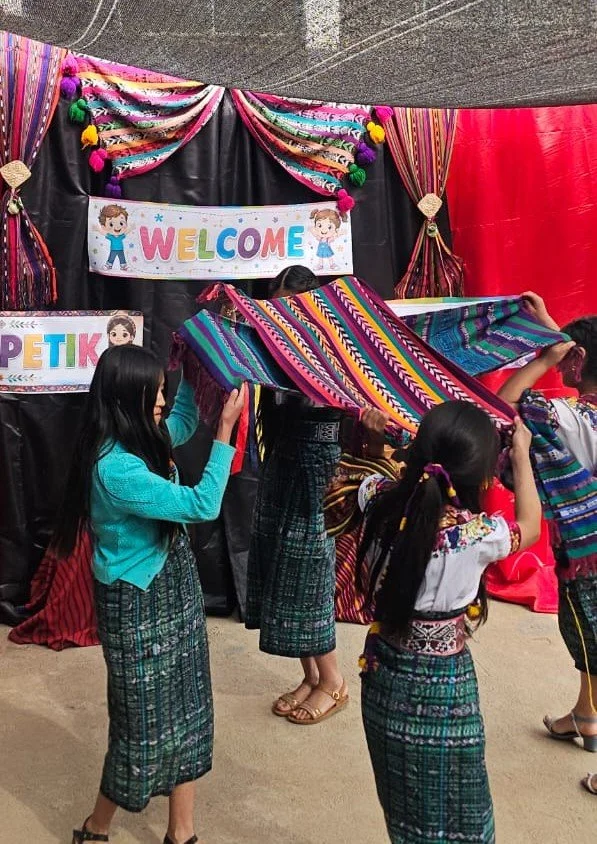
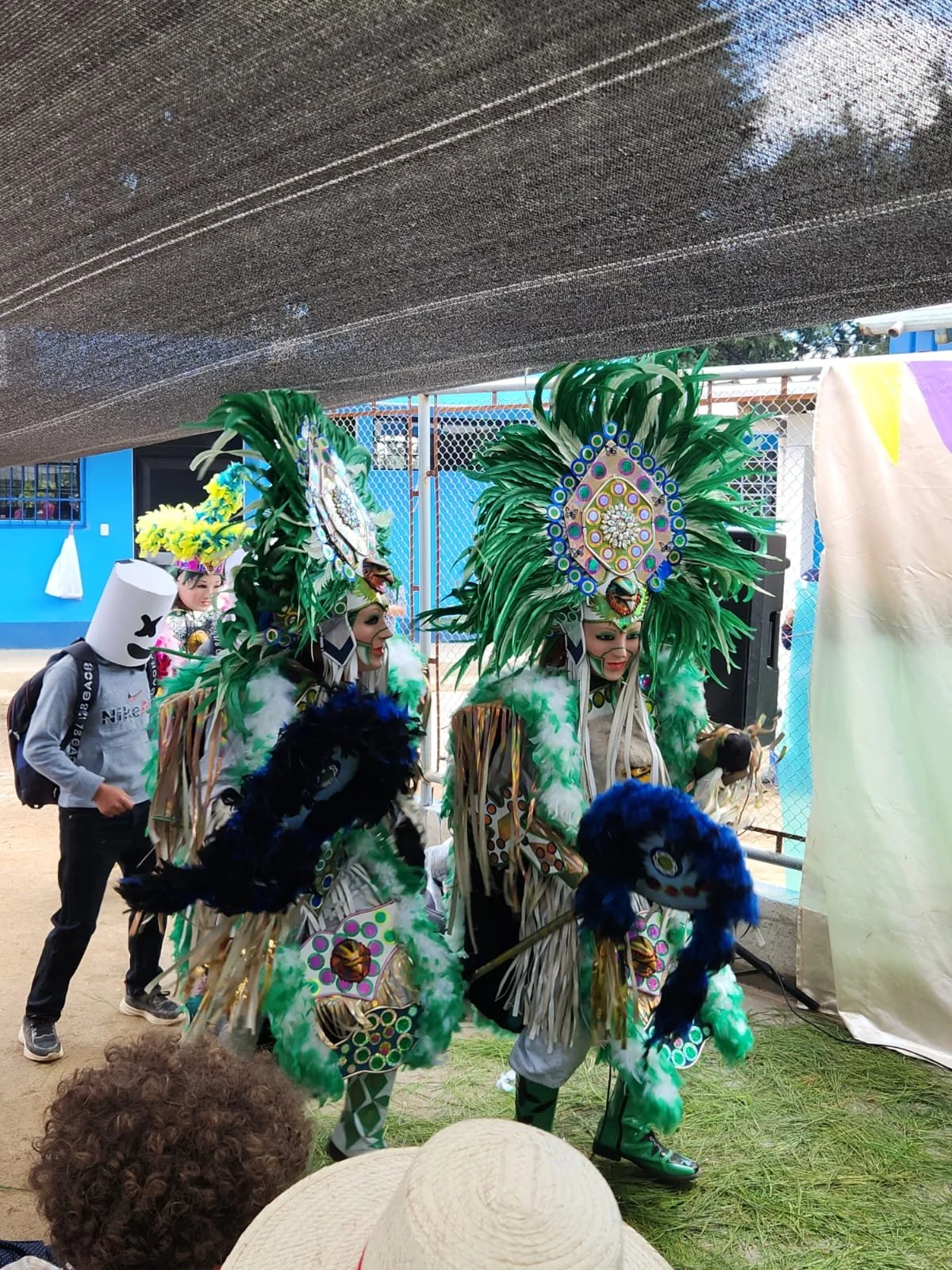
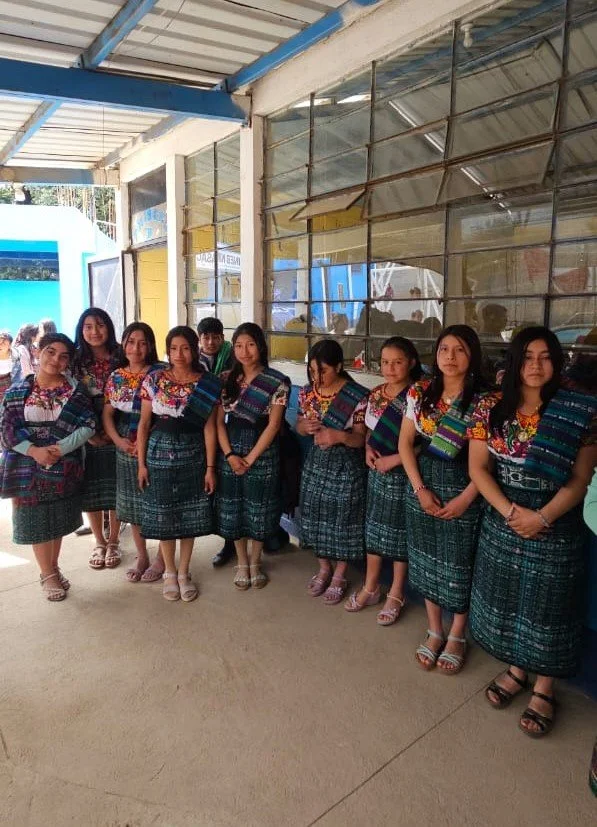
Nimasac, a small town in rural Guatemala, takes a while to get to. None of us knew what to expect as we traveled through a cramped plane ride, and a bumpy bus. We were greeted by narrow stone streets, surrounded by seemingly infinite cornfields, and a sharp U-turn leading us to the steep hill up to Nimasac San Andrés Xecul. As we finished huffing and puffing up the stone steps, we were greeted by lunch and a welcome party put on by the locals, consisting of cultural dances; the first of many amazing experiences to come.
Each day didn’t start with us; it started with the kind women who woke up every morning at four to prepare us breakfast. Seeing such kindness on such a level was a different but welcomed experience from the US and one that inspired hope. All of the food on this trip was astounding. The majestic meals not only gave us a taste of Guatemalan culture, they also provided the group the sustenance needed to immerse themselves in the culture and help build the court.
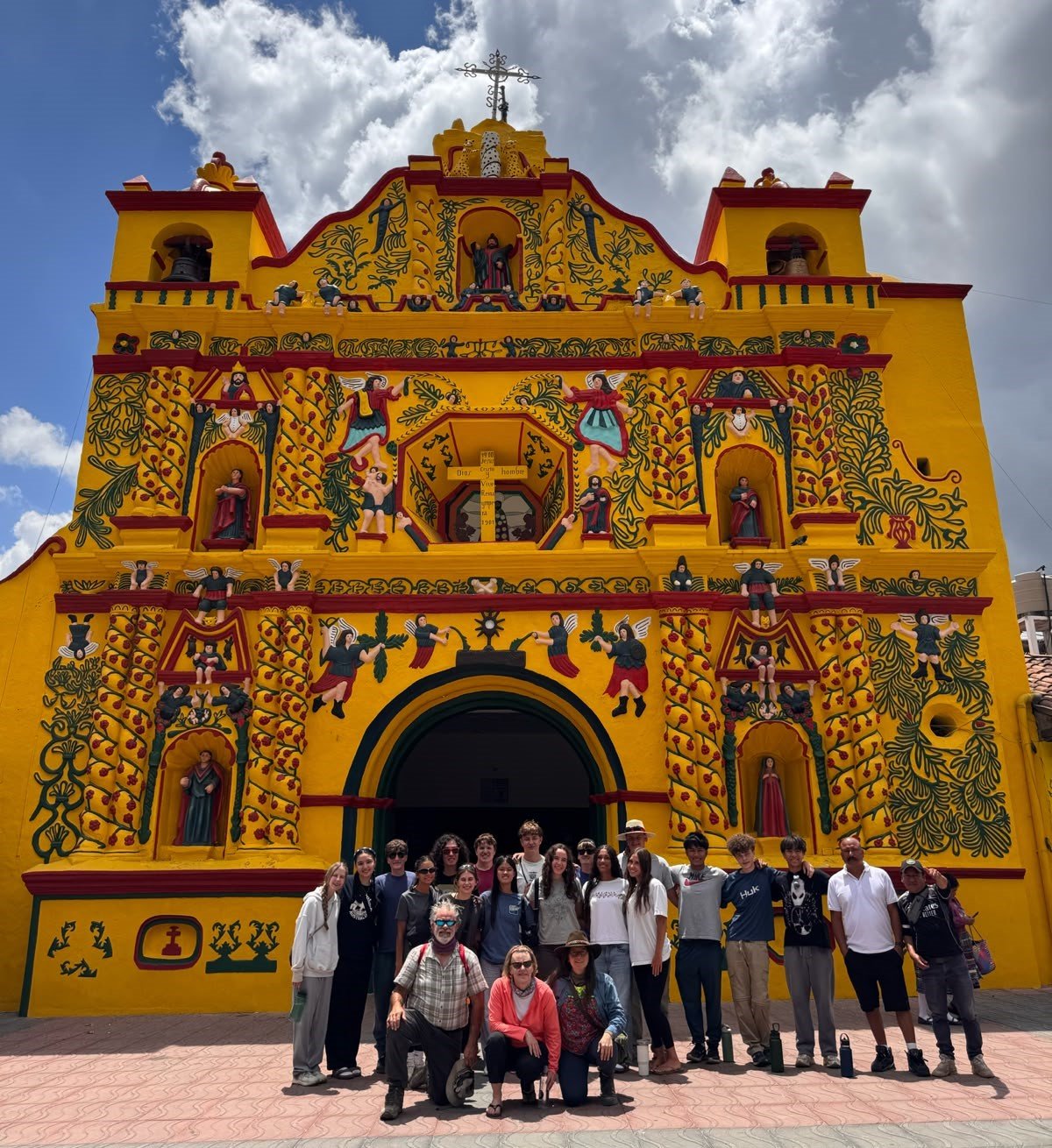
In between the hard work on the court, the group was able to immerse ourselves in Guatemala’s rich culture. Our group is from Bellarmine Preparatory School, a Catholic, Jesuit high school in Tacoma Washington. At school we go to Mass every month, so when we went to mass in Guatemala the differences were interesting. It felt like the people here are more connected and devoted to their faith compared to people back in the United States. We talked to locals outside the church who shared common traditions, and everyone we talked to seemed to be happy to speak with us.
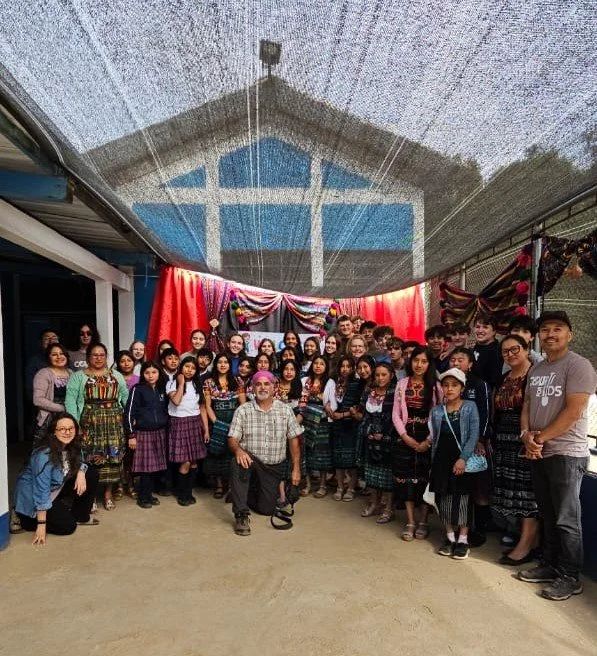
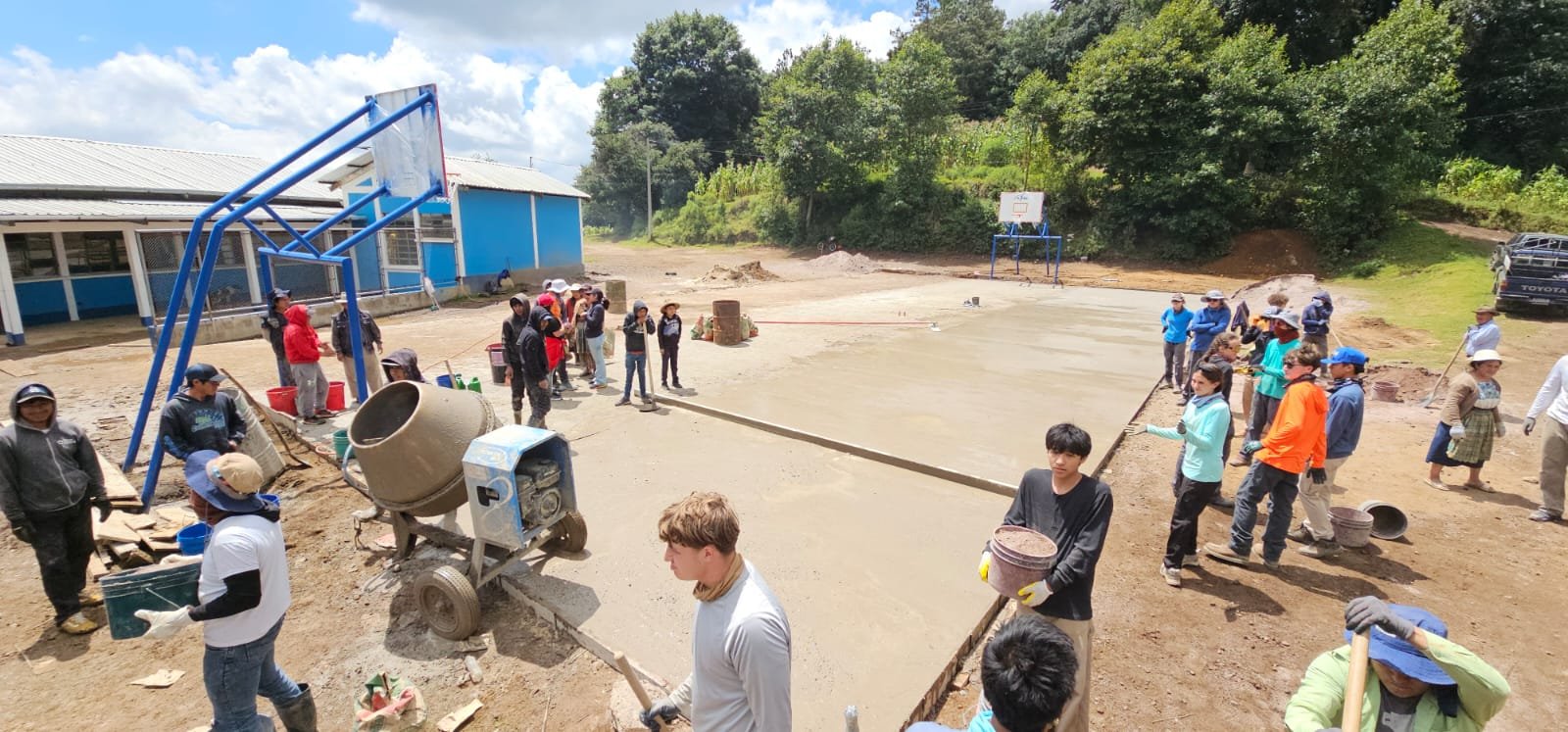
We finished the court much faster than expected, but it wasn’t because of us- it was because of the locals. Every day, locals would be waiting for us to start or even be working while we were having fun or eating breakfast. Before we even arrived, they were working to get the court ready.
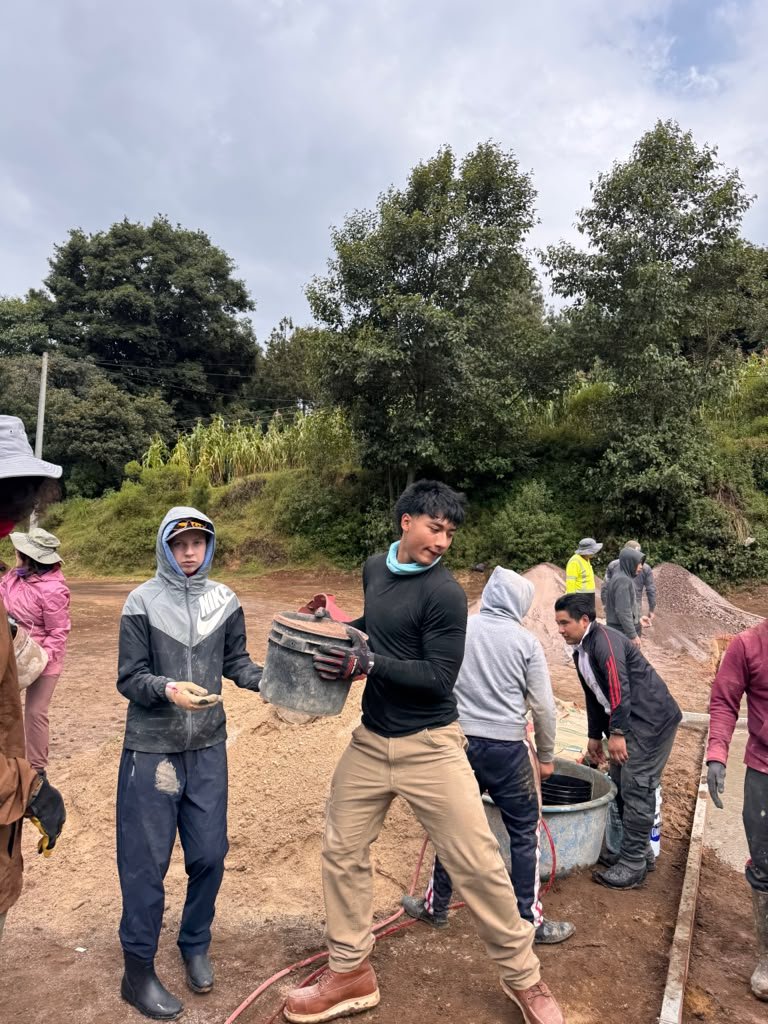
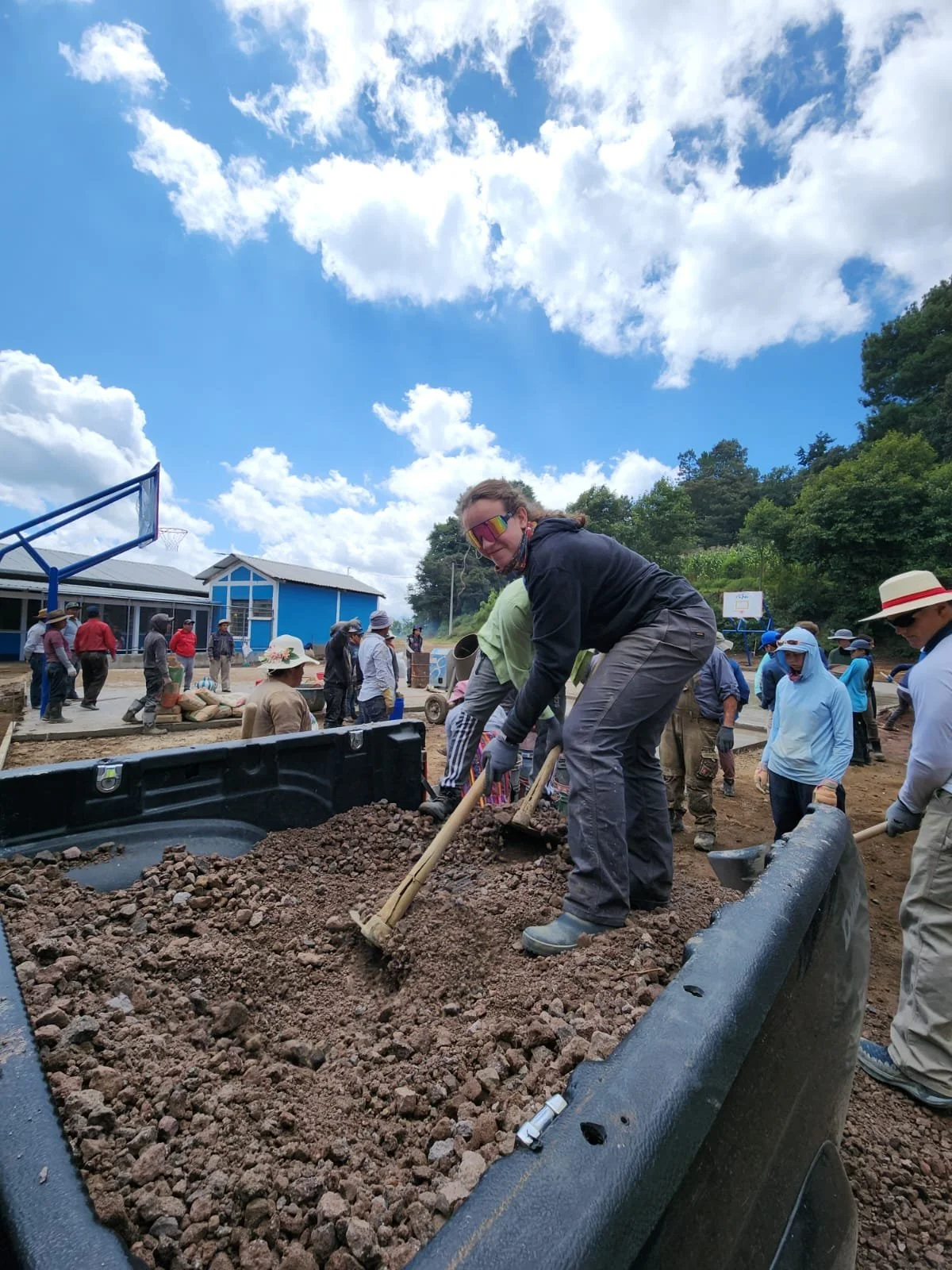
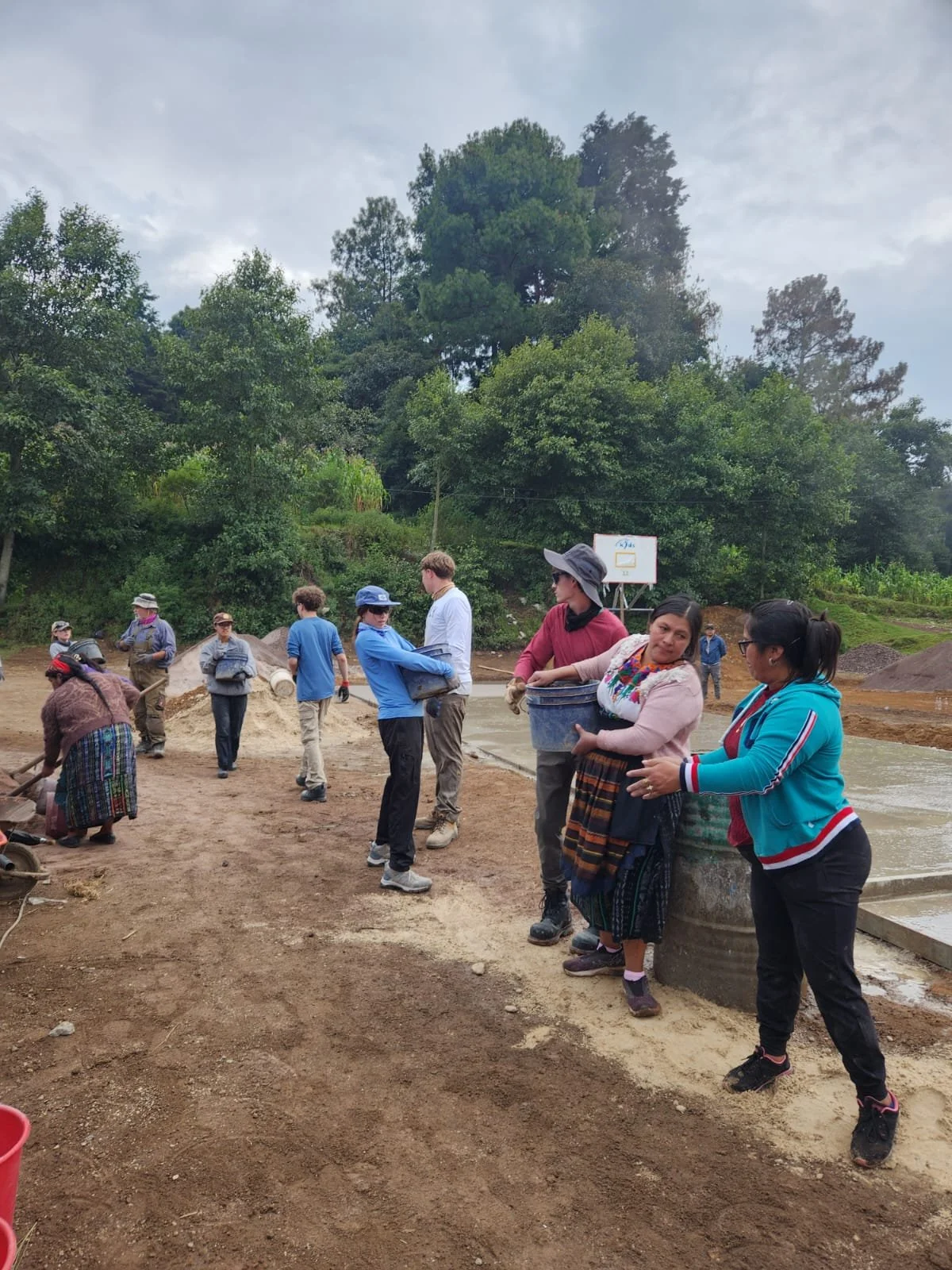
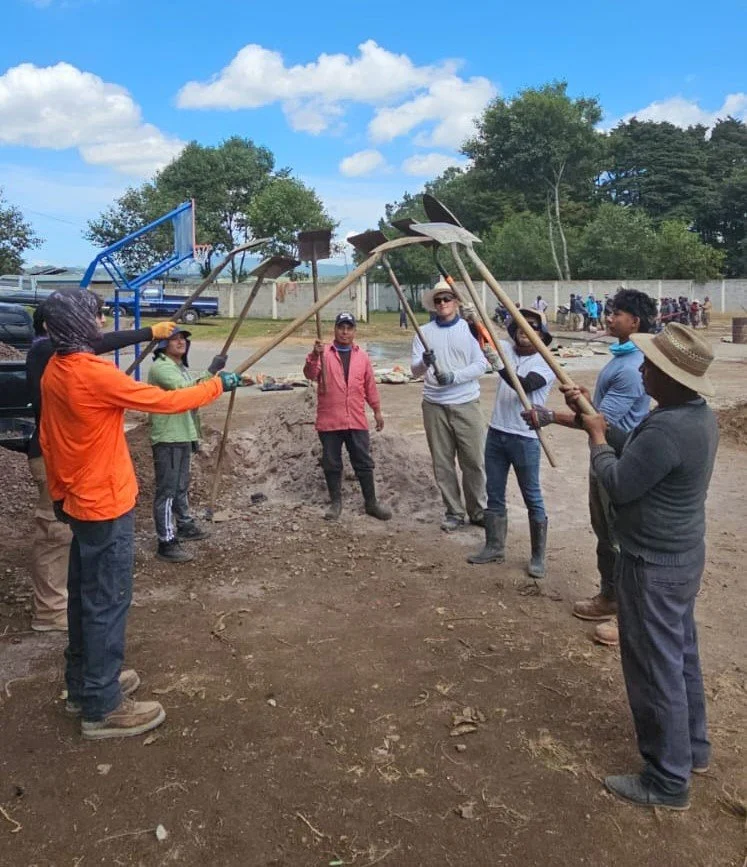
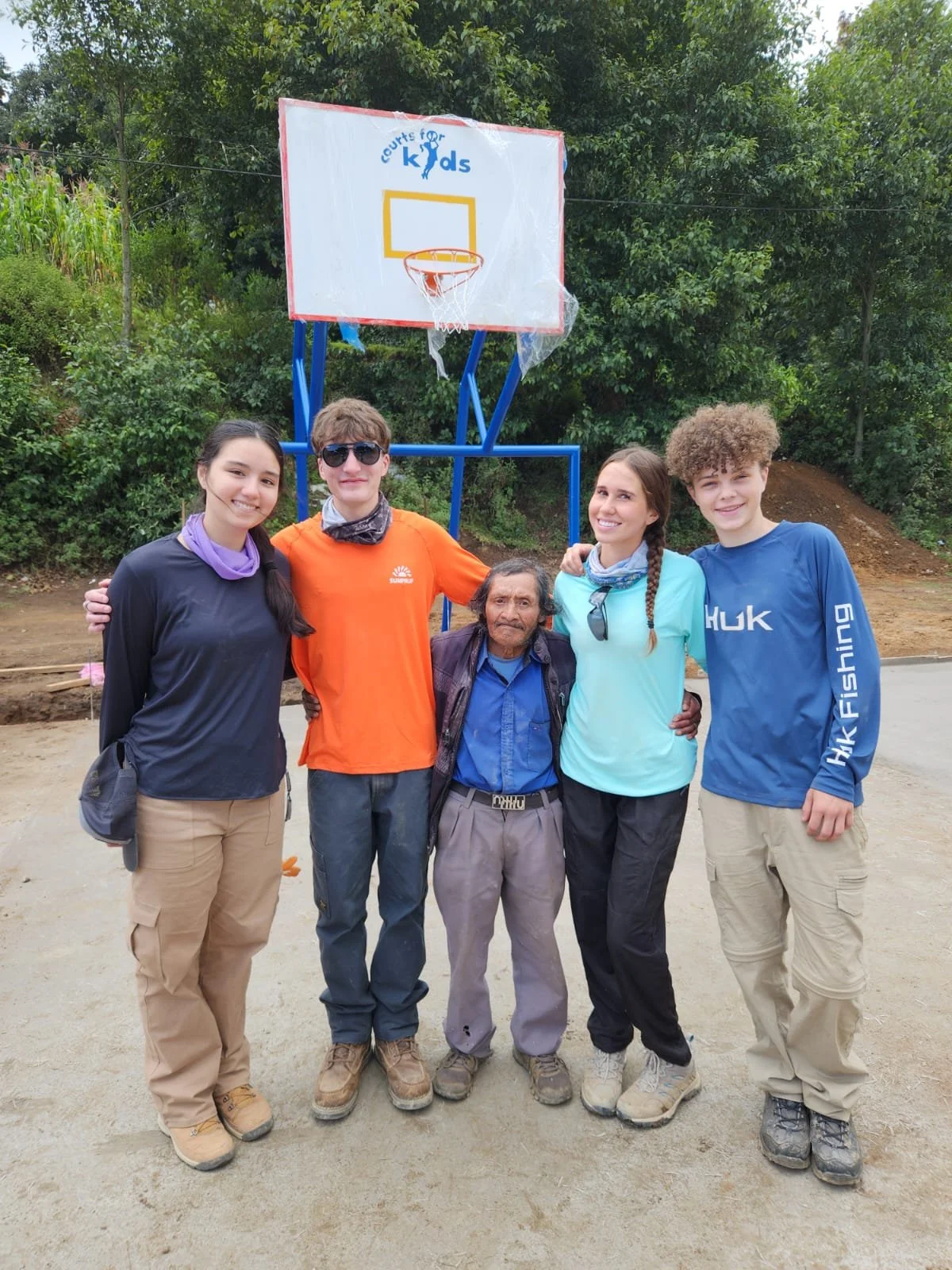
Buckets were filled with sand and gravel, sent down our assembly line as we struggled to carry the immense weight, and poured into the concrete mixer. The manual labor was intense, but with the work of Bellarmine students and Nimasac locals combined, we were able to complete the court in three days, taking less time than we expected it to. We started on the third day of the trip and finished on the fifth. The locals were a diverse group, spanning from jolly old ladies, shoveling sand and gravel without rest; to young boys, probably around eleven years old, working the concrete mixer. During short breaks, we had the opportunity to connect with the locals. Even during the work, some of us were able to talk and laugh with some of the locals through a mix of broken Spanish and English. We learned of their sacrificial love; the older locals spending hours building a court that younger generations would be able to use.
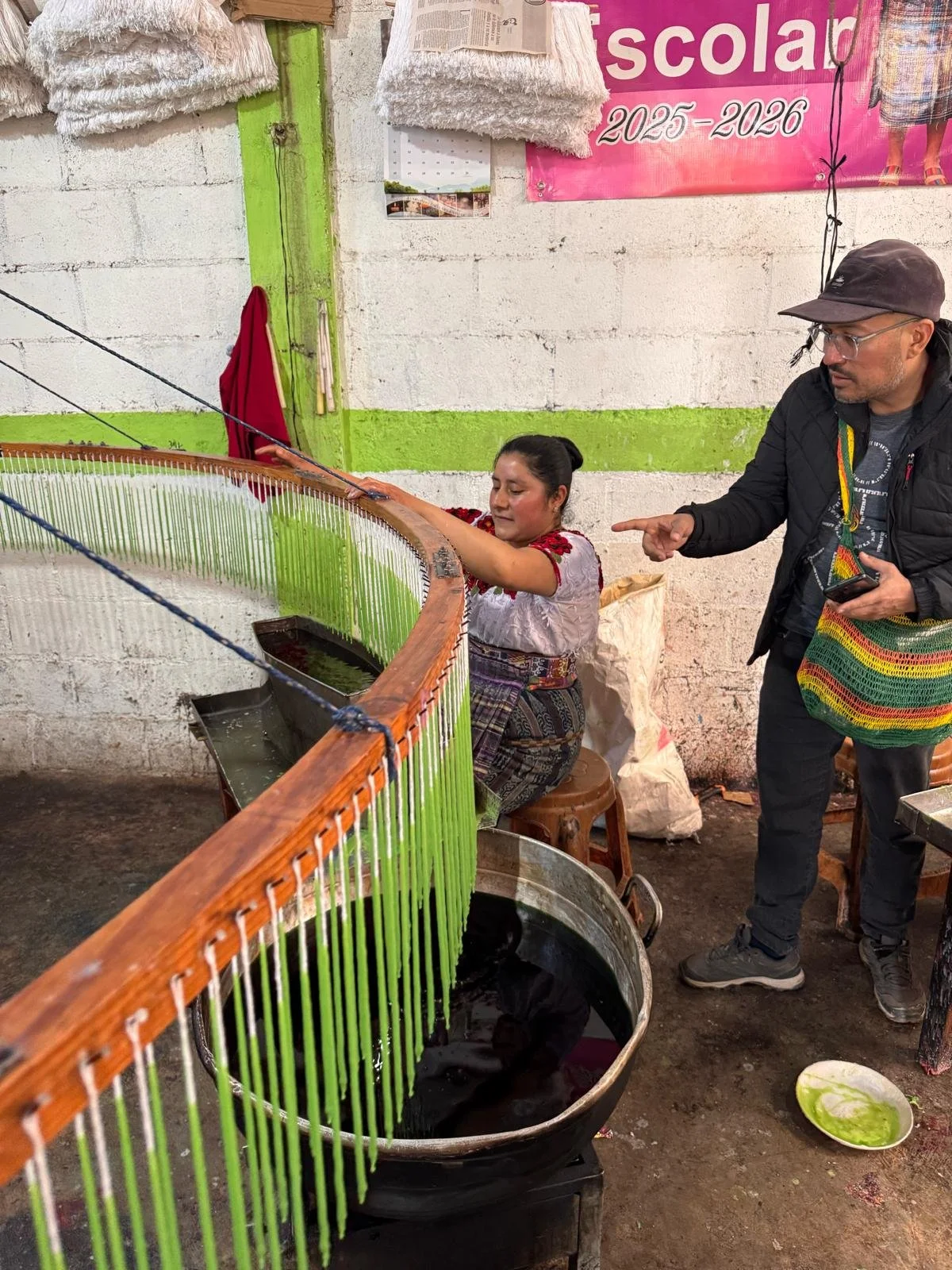
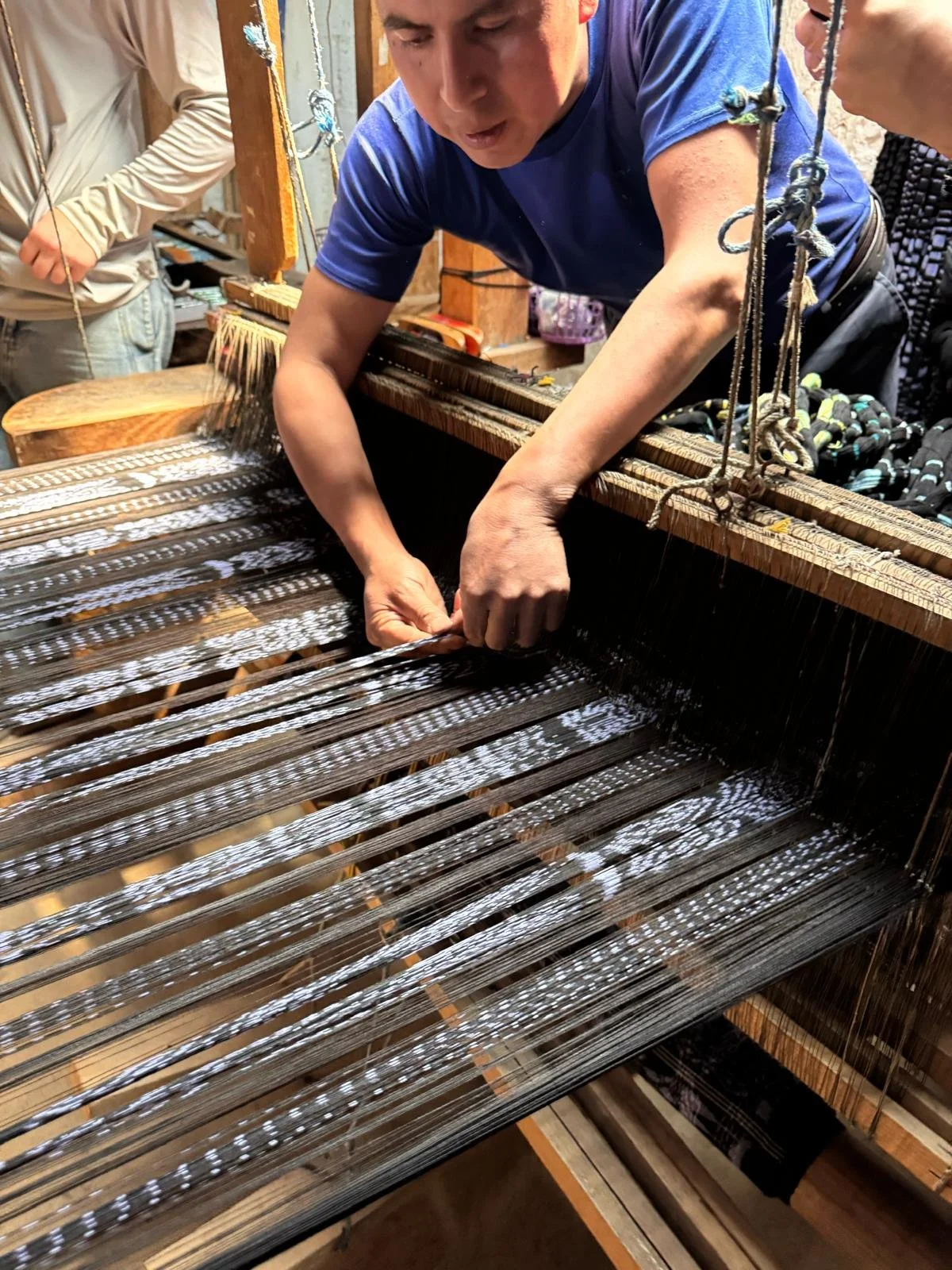
One of the people who helped build the court was primarily a weaver. A trade passed down from his father; this man used a massive wooden loom in his house to weave traditional cloth used to make clothing. Each cloth was intricately designed with bright colors, donning images such as wine glasses and rain. He worked fourteen hours, almost every day in order to produce cloth to sell. We also visited a candle-maker, who also helped build the court. This man and his family made enormous amounts of candles in their house to sell, primarily used in traditional rituals. Both of these workers are shining examples of people who work hard for little pay, yet find immense joy in their craft. These people make far less money than the average US citizen, but much of the prices for goods such as eggs and gas are the same.
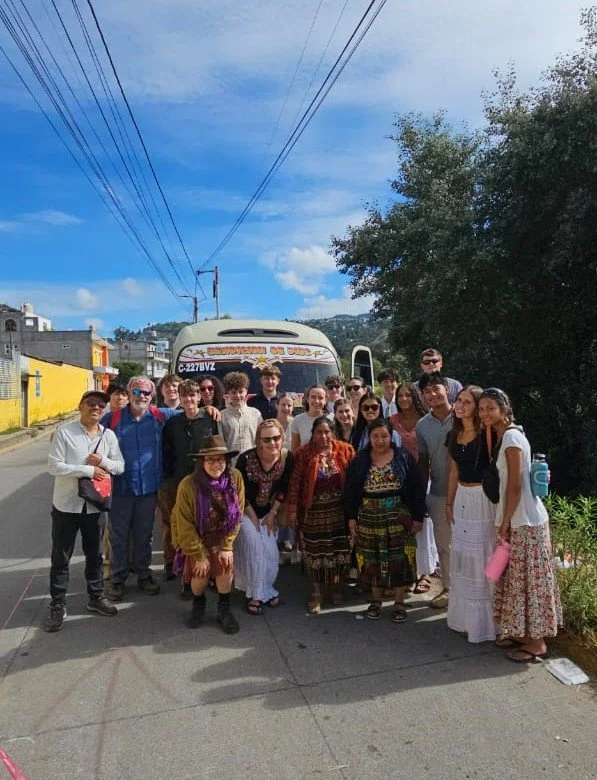
Even though all of us who went on this trip went to the same school, many of us didn’t know each other. Throughout our time in Guatemala, we formed a sense of family among peers we never thought we would get to know. Having no phones pushed us into deep conversation that led to even deeper bonding. We all started to joke and laugh together about things that might be considered stupid or cringe back at home.
We also made connections with the stray dogs who followed us around on adventures. The dogs seemed to actually care for us, for example they would check on us in the middle of the night. It was unfortunate that we could not pet them, as there was a great chance they could be riddled with diseases and fleas.
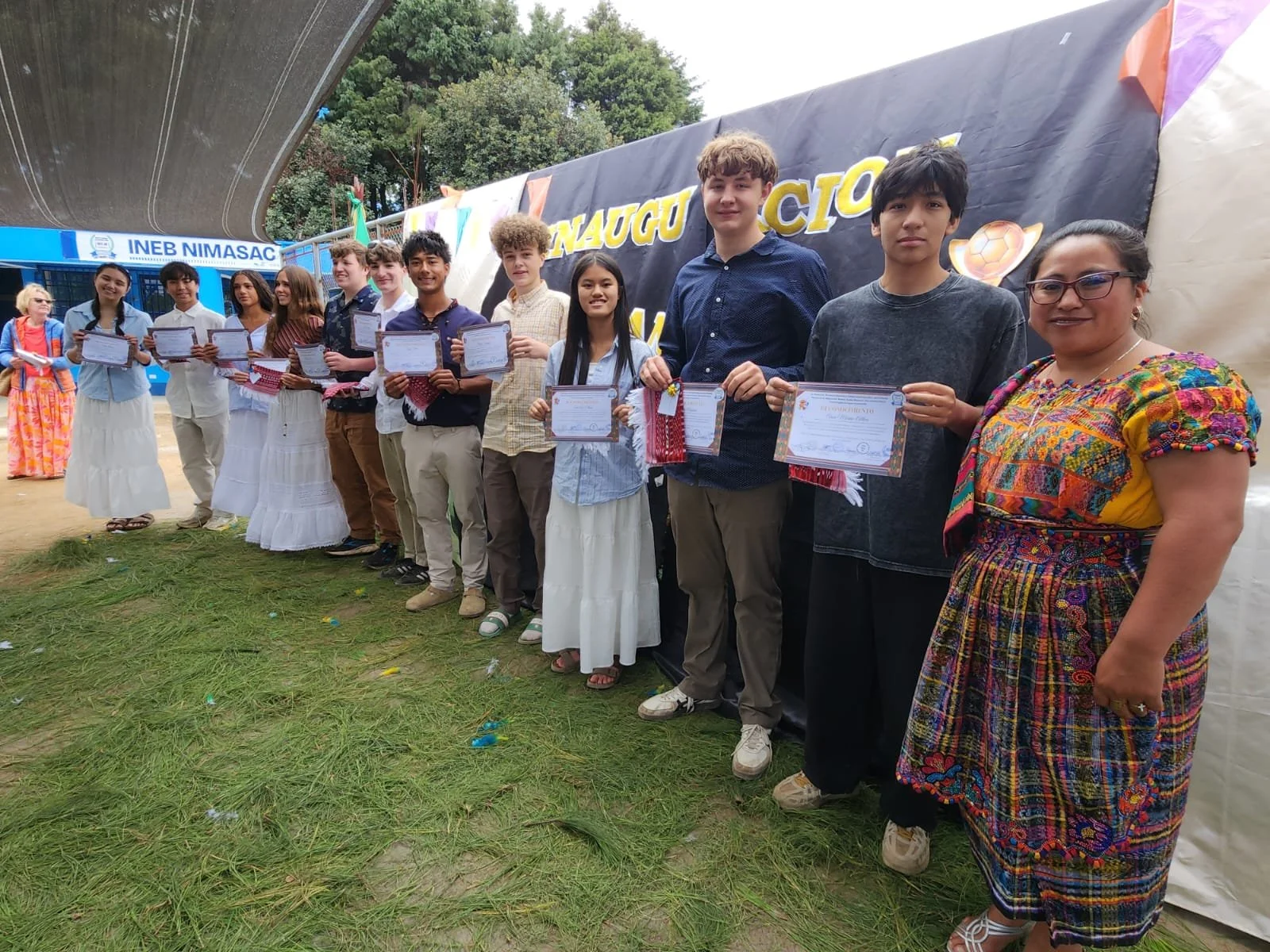
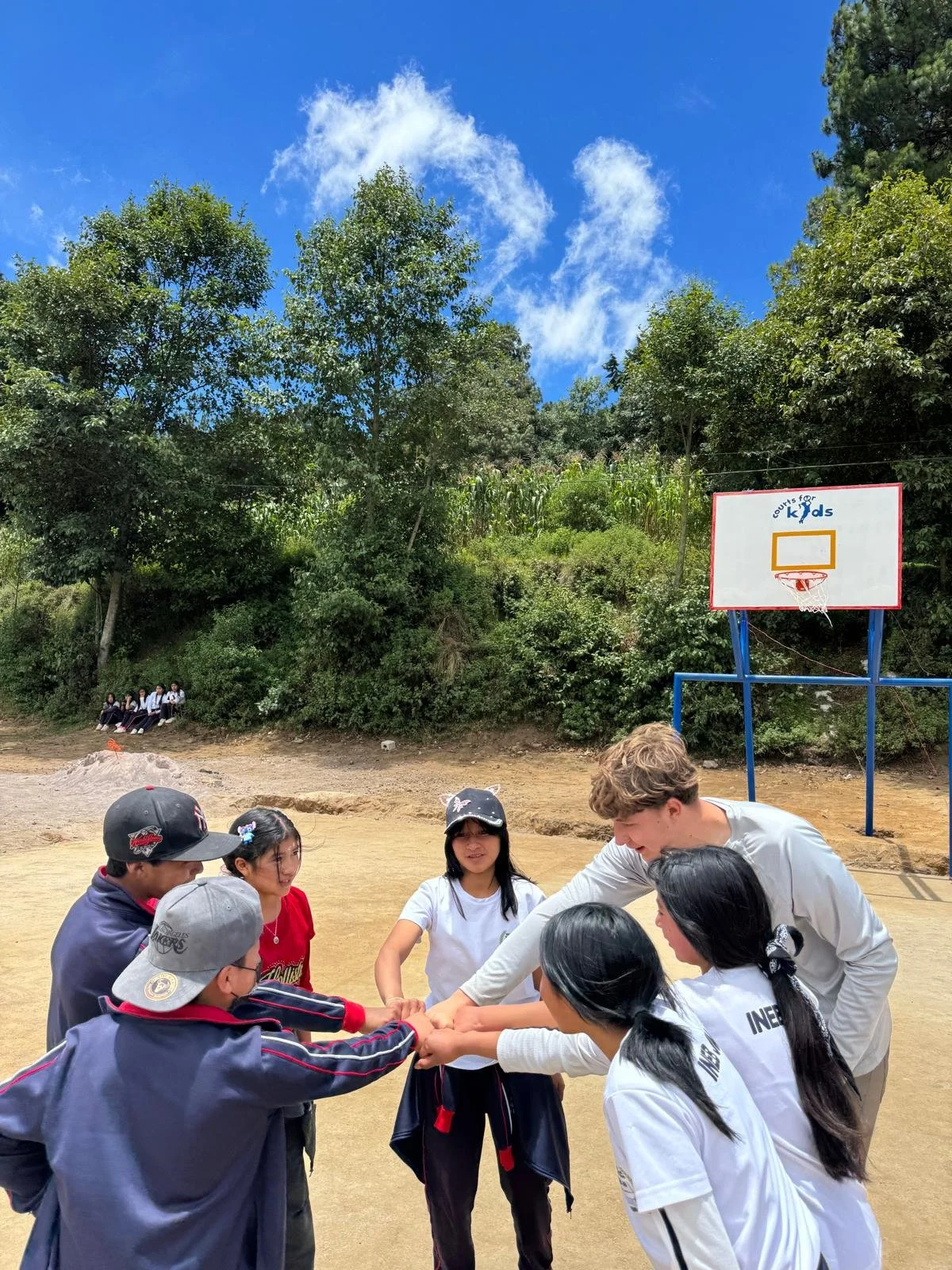
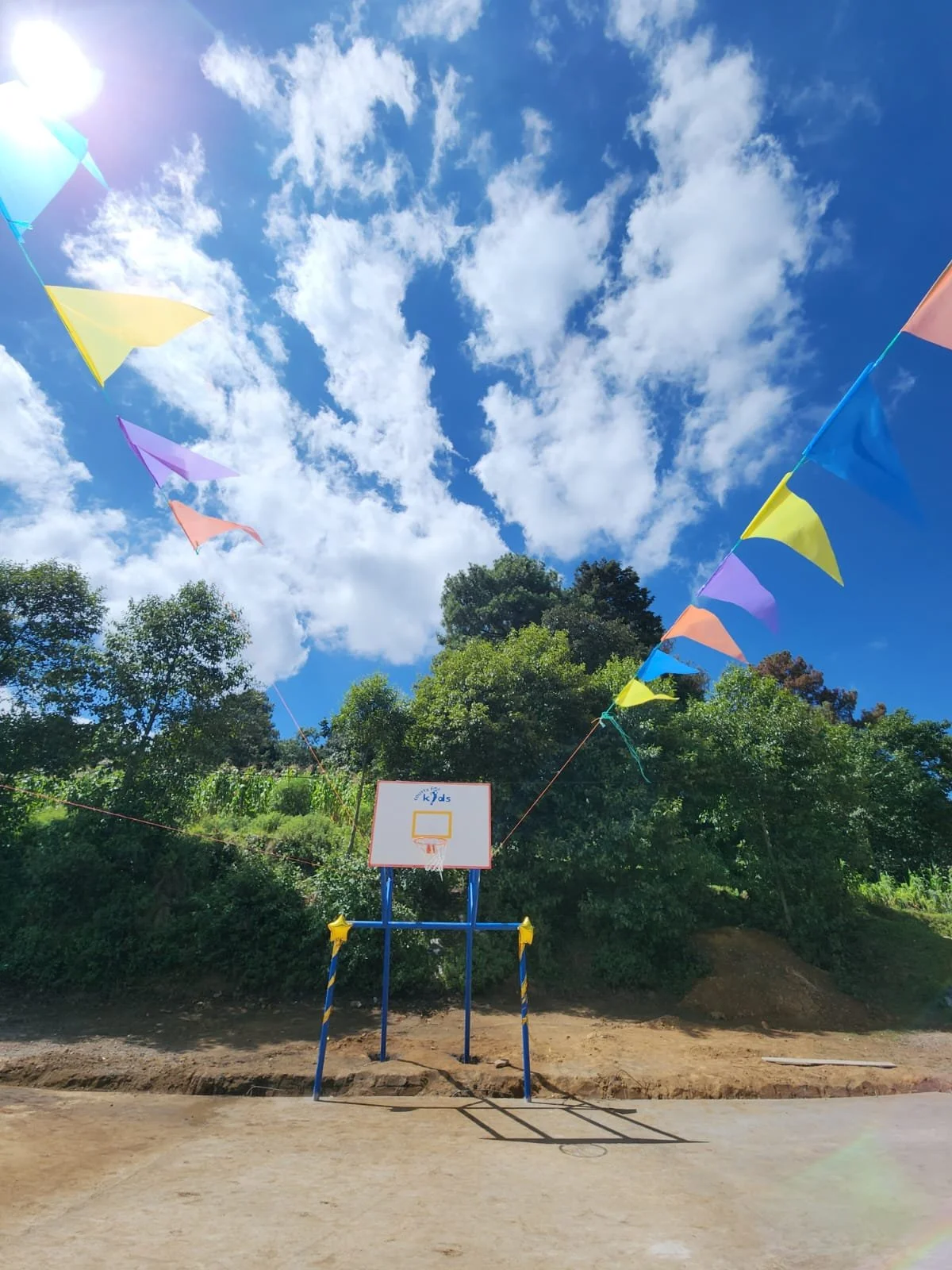
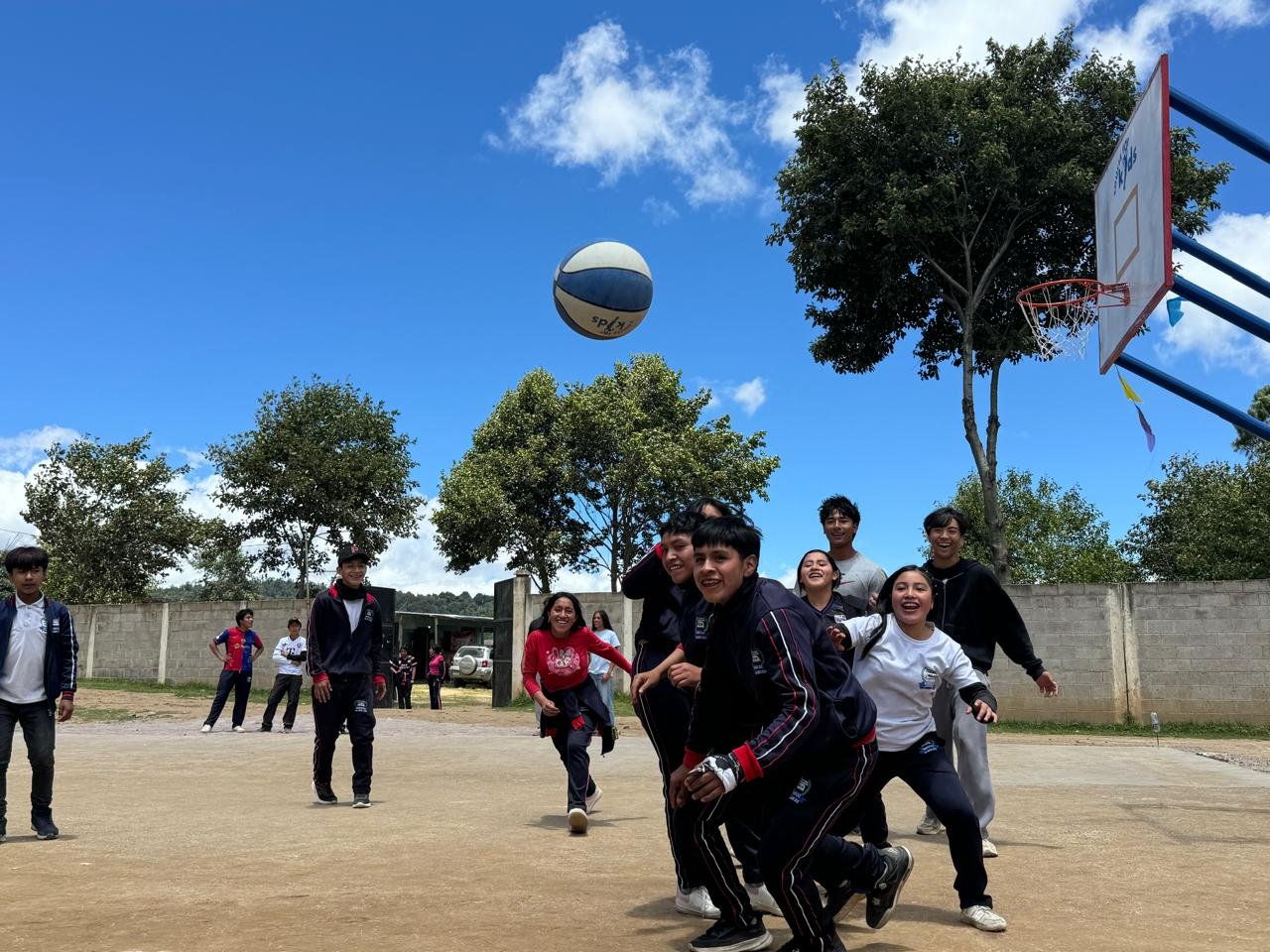
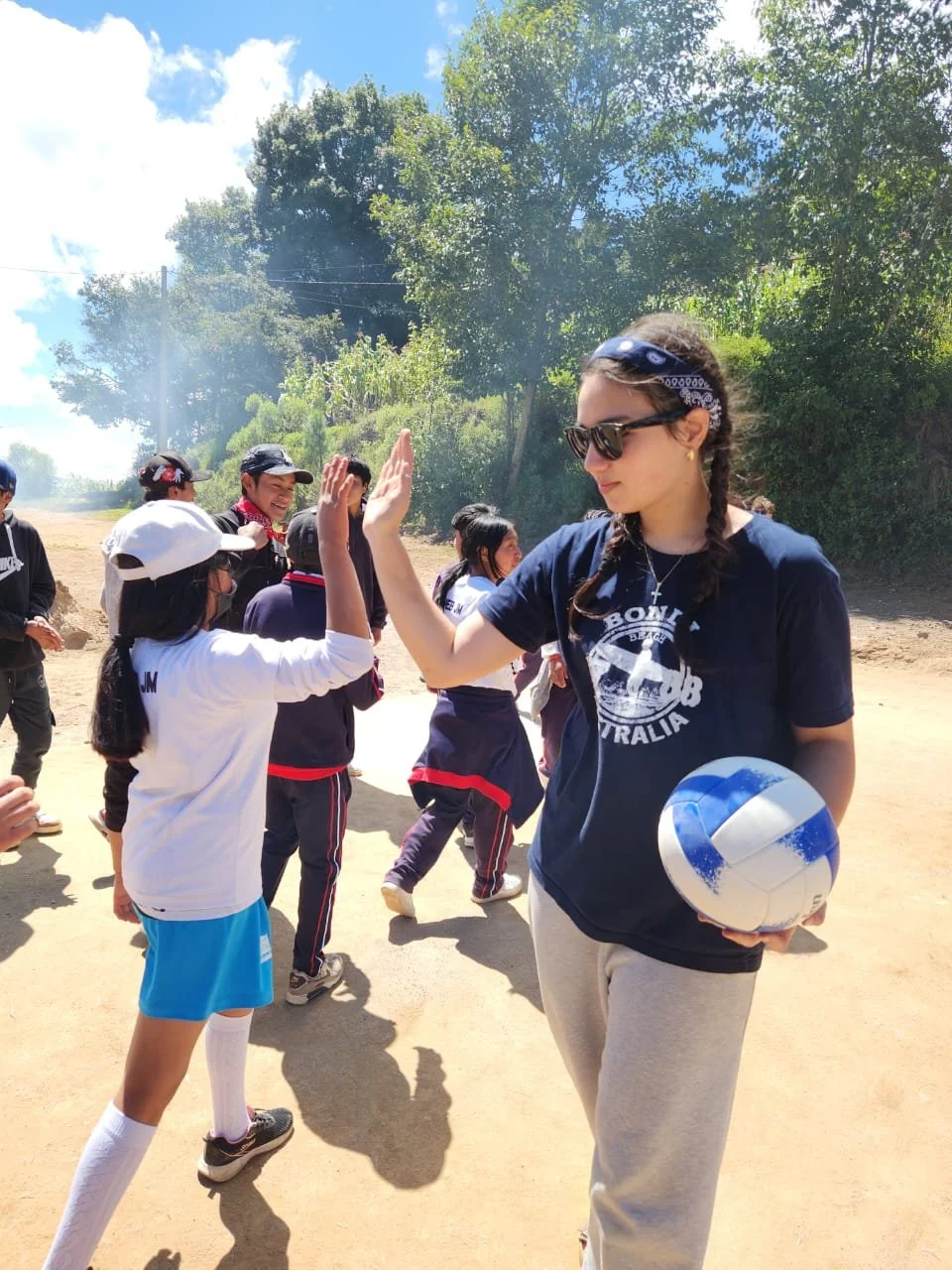
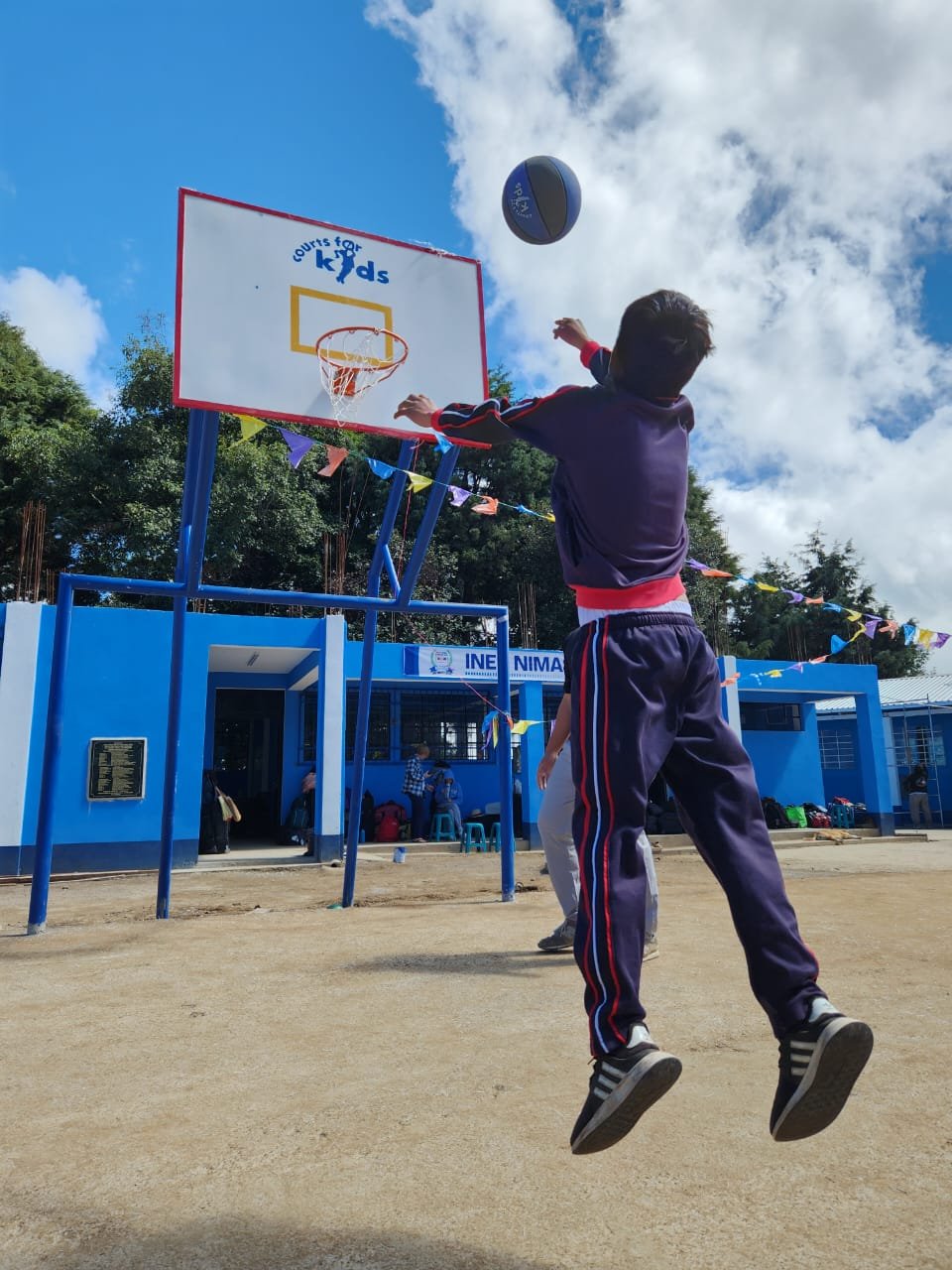
On the seventh day of our time in Guatemala, the school held a commencing ceremony to officially open the court for all of the kids. All of the students, teachers, and parents showed up to celebrate the court’s completion. Through the traditional dancing of the locals and the Sinatra singing of the Bellarmine students, we came together. The court officially opened after representatives from Courts for Kids, the school, and the community cut the ribbon. Bellarmine students and Guatemalan children united on the court to play sports together as one. Bellarmine students worked together to teach the Guatemalan children some athletic tactics to help them improve their skills on the court.
This trip to Guatemala wasn’t about Bellarmine or its students. Its goal was to serve the people of Nimasac. Every nation in the world faces systemic injustice, leaving some more privileged than others. As students with the ability to pay for a private education along many other luxuries, we especially need to give to those who need it; to build equity, to create bonds, and to uplift those with backgrounds or identities society mistreats. As we return home, all of us should be wondering how we can continue to combat injustice, because if we all uplifted someone in need, the world would be a much better place.
~ Isaac Sim and Ryan Derr, Bellarmine Preparatory High School
Volunteer Quotes:
“My favorite memories of this trip were learning about the Guatemalan people and how the live. The thing I enjoyed most was seeing how much they value family.” ~ Kristen Gormley
“It was a really fun and memorable experience that has changed my perspective. I also was able to grow closer with the people I was with.” ~ Sage Tran
“Courts for kids is an amazing experience and helps provide such wonderful and unique cultural interaction for students who wish to both serve those in need and experience a place outside of their home.” ~ Nyah Glamzi
“I learned that the community have true happiness with the basic necessities, their people are so full of life and their culture is so vibrant and they know how to find true joy through love and family.” ~ Brady Gates
My favorite memories from the trip were seeing the kids so happy when they saw the court complete and the amount of gratitude every person showed. ~ Ashlyn Judge
Community Quotes:
“We are grateful because this court is a wonderful project, and the students, as well as other kids in the community, now have a place to play. We are truly grateful to the people who give their all and dedication to support our kids. This court will allow them to practice sports in a suitable place.” ~ Andres Chan, Community member
“This project benefits the students of this school and the Nimasac community. The volunteers from the United States are very kind, committed, and have big hearts. This project will benefit our kids health and recreation, and this whole experience has been an opportunity to build friendships and learn from one another.” ~ Juana Santos Itzep Cux, Community member
“We are very grateful to everyone who made this project possible. It's a great opportunity to improve the development of our community, but it was also a unique experience because we had a wonderful time with all the volunteers. I can only say that they are an example of solidarity and teamwork, and they are leaving a very special mark on our kids. This will be a space that will help develop sports and strengthen teamwork among our kids.” ~ Teresa María Chan Tuy, Community member
“The construction of the athletic court in Nimasac is seen as a project of great benefit to the students and the community. It represents a suitable space for practicing sports, fostering discipline, camaraderie, and teamwork, leaving a positive legacy for present and future generations.” ~ Juan Miguel Ola Sapón, Teacher
“I believe the cultural exchange was a very enriching experience. It allowed us to learn about other customs, ways of thinking, and experiences of people from different places, while we were also able to share our own culture, traditions, and way of life. It was an opportunity to learn from each other and understand that, despite cultural differences, we can unite through values such as respect, solidarity, and friendship.” ~ Anabella Tax